
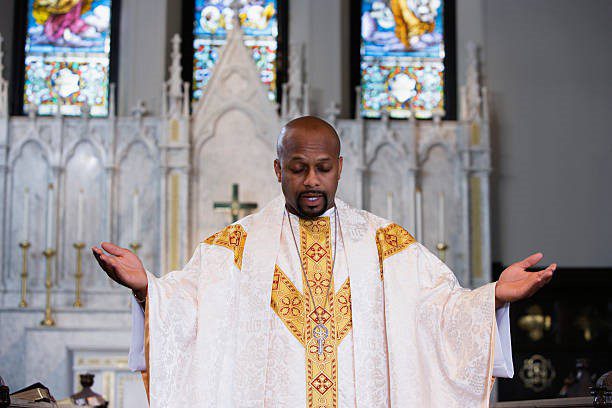
The Full Gospel Preacher: Delivering the Complete Message of Faith
Full Gospel preachers wholeheartedly work on a divine calling that extends beyond the conventional boundaries of Christian ministry. Their commitment runs deep into the core of Christianity’s most transformative teachings. As dedicated messengers of salvation, they carry the responsibility of conveying the Christian gospel in its entirety, leaving no facet unexplored.
These are methods and approaches taken on by Full Gospel messengers in their attempt to bring to life the fundamental teachings of Christ:
Spiritual Atmosphere
Full Gospel preachers often create a spiritual atmosphere during their services. This may include extended times of worship, where congregants are encouraged to engage with God through singing and prayer, setting the stage for the message.
Prophetic Utterances
Some preachers incorporate prophetic utterances into their sermons. They may speak what they believe to be direct messages from God, offering guidance, encouragement, or correction to individuals in the congregation.
Spontaneity
Full Gospel preaching can be spontaneous and led by the promptings of the Holy Spirit. Preachers may pause during their messages to pray for specific needs, share impromptu insights, or allow time for the congregation to respond as the Spirit leads.
Exuberant Celebrations
In Full Gospel services, celebrations of faith and answered prayers are not uncommon. When testimonies of healing or answered prayer are shared, it often leads to spontaneous celebrations, including shouts of praise and expressions of joy.
Engagement with the Supernatural
Full Gospel preachers believe in the reality of the supernatural realm. Their messages may include teachings on spiritual warfare, deliverance from demonic oppression, and the authority of believers in confronting spiritual challenges.
Multisensory Experiences
To engage the congregation fully, preachers often create multisensory experiences. This may involve the use of visual aids, such as videos or illustrations, and incorporating different forms of artistic expression, such as dance or dramatic presentations.
Personal Interaction
Full Gospel preachers often maintain personal interaction with their congregants. They may greet individuals personally before or after services, pray with them individually, and provide pastoral care on a personal level.
Emphasis on Faith
Faith is a central theme in Full Gospel preaching. Preachers encourage their congregants to exercise faith in God’s promises, believing that faith can move mountains and bring about miraculous outcomes.
Expectation of Spontaneous Miracles
Full Gospel preachers often preach with an expectation of spontaneous miracles occurring during the service. They may pause to celebrate any testimonies of healing or miraculous occurrences that take place.
Prophetic Art and Creativity
Some Full Gospel preachers incorporate prophetic art and creativity into their messages. Artists may paint or create visual art during the service, interpreting what they sense God is speaking to the congregation.
Spiritual Impartation
Preachers often seek to impart spiritual blessings to their congregation. They may lay hands on individuals, pray for the release of spiritual gifts, or anoint with oil, believing in the transfer of spiritual anointing.
The Religious Transformation and Reformation
These are some purely religious viewpoints that a Full Gospel preacher will emphasize:
Exegesis of Scripture
Full Gospel preachers often engage in thorough scriptural exegesis, interpreting Bible passages in-depth to provide a solid theological foundation for their messages. They seek to convey the biblical context and meaning of the gospel truths they proclaim.
Covenant Theology
Some preachers emphasize the concept of God’s covenant with His people. They may explore themes of God’s faithfulness to His promises and how believers are taking part in the blessings of the new covenant through Jesus Christ.
Hebrew Roots
Some preachers have an interest in exploring the Jewish roots of Christianity. They may incorporate elements of the Hebrew language, culture, and customs into their teachings to deepen their understanding of the biblical narrative.
Trinitarian Theology
A central aspect of Full Gospel preaching is the belief in the Triune God (Father), Son (Jesus Christ), and Holy Spirit. Preachers often expound on the roles and interactions of each Person of the Trinity in the believer’s life.
Redemptive History
Full Gospel preachers may trace the redemptive history of God’s plan for humanity throughout the Old and New Testaments. They emphasize how the gospel message is woven into the fabric of God’s overarching plan.
Kingdom Theology
A few preachers focus on the concept of the Kingdom of God as a present reality in the lives of believers. They teach that God’s rule and authority extend to every area of life and that believers are called to advance His kingdom on earth.
Doctrine of Atonement
Full Gospel believers emphasize the doctrine of atonement, highlighting the redemptive work of Christ on the cross. They may explore various theories of atonement, such as penal substitution, to explain the significance of Jesus’ sacrifice.
End Note
The Full Gospel preacher’s message is an invitation to dive deeper into the depths of faith. These unique aspects of Full Gospel preaching reflect a deeply spiritual and experiential approach to sharing the Christian message. The preachers will strive to meet the spiritual, emotional, and practical needs of their congregations and communities.
Let’s come together and strive to meet the needs of our congregations and communities, and deepen our faith through our website at Messengers of Hope International.